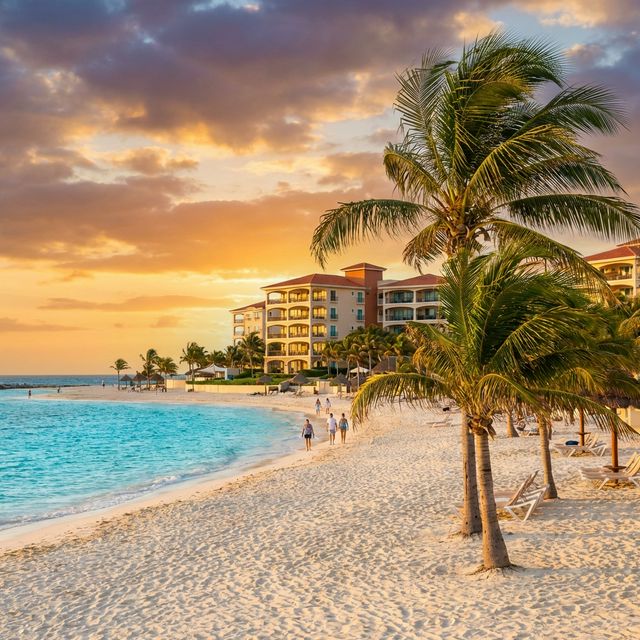
To answer how to invest in real estate in Mexico in 2026, start with the legal structure (fideicomiso for non-Mexican buyers within the restricted zone), pick a city with proven cap rates (Tulum 8 to 12%, Mérida 7 to 10%, CDMX 5 to 7%), and run all numbers in pesos with the latest CFE, water, and property tax data. 88% of foreign investors close via WhatsApp-first communication. See real cases on showcase.
How to invest in real estate in Mexico step by step
Esta sección documenta cómo JegoDigital aborda how to invest in real estate in mexico con la metodología SEO + AEO 2026 aplicada en clientes como Flamingo Real Estate, TT and More y GoodLife Capital.
Why Mexico Is One of the Best Real Estate Markets in 2026
Mexico's real estate market is booming, and 2026 presents a particularly attractive entry point for investors. Several converging factors are driving unprecedented growth across the country.
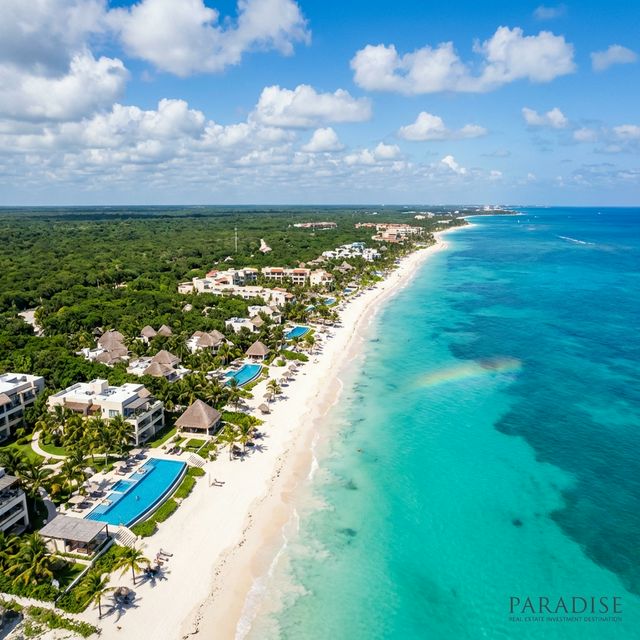
The numbers speak for themselves. Mexico's residential real estate market is projected to grow at a Compound Annual Growth Rate (CAGR) of 4.72%, reaching $21.1 billion by 2033 (GlobeNewsWire). Through Q3 2025, house prices increased by an impressive 8.9% annually (BBVA Research), reflecting healthy demand from both domestic and international buyers.
Foreign Direct Investment (FDI) further strengthens the picture. In 2024, Mexico attracted $36.9 billion in FDI (Secretaría de Economía), with a significant portion flowing into real estate development and infrastructure.
Mexico's position as the #1 nearshoring destination is a game-changer. As companies relocate operations closer to the US market, demand for industrial, commercial, and residential properties has surged, especially in northern cities like Monterrey, Querétaro, and Chihuahua.
From 2016 to 2022, national prices increased by 58.4% (Sociedad Hipotecaria Federal). Forecasts for 2026 project 7-9% annual growth nationally and 45-65% cumulative growth over 5 years in top investment areas.
| Metric | Value | Source |
|---|---|---|
| Market CAGR | 4.72% | GlobeNewsWire |
| Market Size (2033) | $21.1 Billion | GlobeNewsWire |
| Annual Price Growth (2025) | 8.9% | BBVA Research |
| FDI (2024) | $36.9 Billion | Secretaría de Economía |
| Nearshoring Rank | #1 Globally | Various Reports |
| National Price Growth 2016-2022 | 58.4% | SHF |
"The confluence of nearshoring demand, tourism growth, and strong fundamentals makes Mexico one of the top 3 real estate markets in the Americas for 2026. We're seeing unprecedented interest from US and Canadian investors."
Mexico's real estate market is backed by hard data, 4.72% CAGR, 8.9% annual price growth, and $36.9B in FDI. The nearshoring mega-trend creates additional upside that most international investors haven't fully recognized yet.
Top 7 Cities for Real Estate Investment in Mexico (2026)
While the overall market is strong, certain cities offer exceptional opportunities. Here's where to focus your investment research:
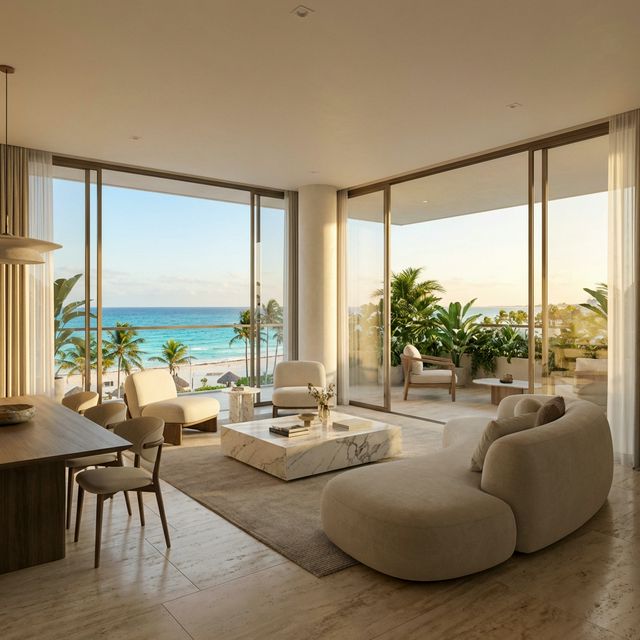
1. Cancún / Riviera Maya, Luxury Tourism Powerhouse
The crown jewel of Mexican tourism real estate. Millions of visitors annually drive consistent demand for vacation rentals, beachfront condos, and luxury properties. Annual property value growth of 8-9% makes this the top choice for rental income investors. Learn more about AI-powered real estate strategies in the Riviera Maya.
2. Querétaro, The Nearshoring Capital
The fastest-growing investment city. Querétaro is attracting major manufacturing and tech companies relocating near the US. Forecasts predict 45-65% cumulative growth over the next 5 years, driven by industrial expansion.
3. Monterrey, Industrial Powerhouse
Mexico's third-largest city and a major manufacturing hub. The robust industrial sector creates steady demand for residential properties, especially in the affordable and mid-range segments.
4. Mexico City, The Stable Giant
The largest economy in Mexico provides stable, predictable returns. While growth isn't as explosive, the diversified economy ensures consistent demand across all property types.
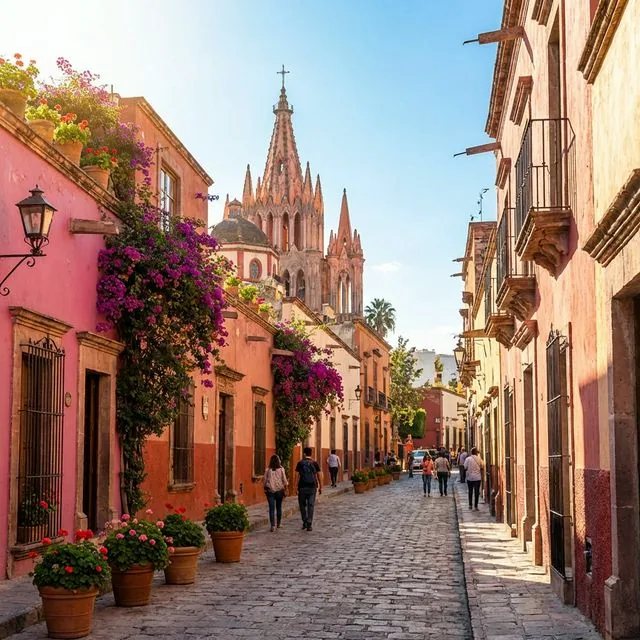
5. San Miguel de Allende, Expat Haven
A UNESCO World Heritage site consistently ranked among the best cities in the world. High-spending expats and retirees drive demand for colonial homes and boutique vacation rentals. Explore our guide to luxury real estate investment in San Miguel de Allende.
6. Playa del Carmen, Airbnb Income Machine
More accessible than Cancún with excellent Airbnb yields. The downtown and beachfront areas are popular with tourists, offering a lower barrier to entry for first-time investors. See our analysis of Airbnb automation strategies for the Riviera Maya.
7. Los Cabos, Ultra-Luxury Segment
The premier luxury resort destination in Mexico. World-class golf courses, marinas, and exclusive communities command premium prices with limited supply. Read more about luxury real estate opportunities in Los Cabos.
| City | Key Driver | Best Investment Type | Growth Forecast |
|---|---|---|---|
| Cancún / Riviera Maya | Tourism | Vacation Rentals | 8-9% annual |
| Querétaro | Nearshoring | Industrial/Commercial | 45-65% (5yr) |
| Monterrey | Manufacturing | Residential | 7-9% annual |
| Mexico City | Diversified Economy | Buy-and-Hold | Stable 5-6% |
| San Miguel de Allende | Expats | Luxury/Renovation | Premium niche |
| Playa del Carmen | Airbnb | Short-Term Rentals | 8-9% annual |
| Los Cabos | Luxury | Ultra-Luxury | Premium niche |
Each Mexican city offers distinct investment advantages. Match your strategy (rental income vs. appreciation vs. retirement) with the right city to maximize returns.
Legal Requirements, Can Foreigners Buy Property in Mexico?
Yes, foreigners can absolutely buy property in Mexico. However, there's one important distinction to understand. For a deeper legal perspective, read our guide on real estate attorneys and trust law in Cancún.
Direct Ownership vs. Restricted Zones
Mexico has "restricted zones", land within 50 kilometers of the coast and 100 kilometers of the border. These zones cover most of the best investment areas (Cancún, Playa del Carmen, Los Cabos).
Outside restricted zones: Foreigners own property directly in their own name.
Inside restricted zones: Foreigners must use a Fideicomiso (bank trust).
What Is a Fideicomiso?
A Fideicomiso is a 50-year renewable bank trust where a Mexican bank holds the legal title (trustee), the foreign buyer is the beneficiary with complete ownership rights, and you can use, rent, sell, renovate, or bequeath the property. The trust is renewable indefinitely.
Taxes You Need to Know
| Tax | When | What |
|---|---|---|
| Transfer Tax (ISAI) | At purchase | 2-5% of assessed value |
| Property Tax (Predial) | Annual | Based on assessed value (generally low) |
| Rental Income Tax (ISR) | If you rent | Tax on rental income earned |
| Capital Gains Tax (ISR) | When you sell | Tax on profit from sale |
"Don't let the Fideicomiso process deter you, it's a well-established, secure mechanism used by hundreds of thousands of foreign property owners in Mexico. The key is working with a reputable bank and experienced Notario Público."
Foreigners can buy property in Mexico with full ownership rights. The Fideicomiso is a secure, time-tested legal vehicle for coastal and border properties.
Step-by-Step Guide to Buying Property in Mexico as a Foreigner
Step 1: Define Investment Goals
- Rental income → Tourist areas (Cancún, Playa del Carmen, Los Cabos)
- Long-term appreciation → Growth cities (Querétaro, Monterrey)
- Retirement living → Lifestyle destinations (San Miguel de Allende, Puerto Vallarta)
Step 2: Research Target Cities and Neighborhoods
Visit forums, read market reports, and ideally take a scouting trip. Consider safety, amenities, transportation, and future development plans.
Step 3: Hire an AMPI-Certified Real Estate Agent
AMPI (Asociación Mexicana de Profesionales Inmobiliarios) certification ensures professional ethics and verified market expertise.
Step 4: Engage a Notario Público
Mandatory in Mexico. The Notario verifies property legality, ensures clean documentation, and officially transfers the title.
Step 5: Conduct Due Diligence
- Title search, Clean ownership with no disputes
- Lien check, No outstanding debts
- Permit verification, Building and zoning permits in order
- Property survey, Confirming exact boundaries
- Ejido check, Confirm the land is NOT communal land
Step 6: Set Up Fideicomiso (If Needed)
Budget approximately $1,500-2,500 for setup and $500-800/year in maintenance fees.
Step 7: Sign the Promesa de Compraventa
The legally binding purchase agreement. Have your legal advisor review before signing.
Step 8: Close at the Notario's Office
Sign the transfer deed, make final payment, and receive your title. Budget 5-10% of purchase price for total closing costs.
Follow these 8 steps methodically, work with qualified professionals (AMPI agent + Notario), and never skip due diligence.
Financing Options for Foreign Real Estate Investors
| Option | Popularity | Notes |
|---|---|---|
| Cash Purchase | ⭐⭐⭐⭐⭐ | Most common. No interest, faster closing, stronger negotiating power. |
| Developer Financing | ⭐⭐⭐⭐ | 30-50% down, 12-36 month installments. Best for new builds. |
| Home Equity Loan (HELOC) | ⭐⭐⭐ | Tap equity from US/Canada property at favorable home rates. |
| Self-Directed IRA/401(k) | ⭐⭐ | Possible but complex. Requires IRS compliance. |
| Cross-Border Mortgage | ⭐⭐ | Limited options. Higher rates (7-12%). |
| Mexican Bank Loan | ⭐ | Strict requirements for foreigners. Rates 10-14%. |
Cash is king for Mexican real estate. If financing is needed, developer financing and home equity loans offer the best terms for foreigners.
How to Maximize ROI on Your Mexico Real Estate Investment
Short-Term Rentals vs. Long-Term Leases
| Strategy | Pros | Cons | Best For |
|---|---|---|---|
| Airbnb / VRBO | Higher income, flexibility | More management, seasonal | Tourist cities |
| Long-term lease | Stable income, less work | Lower total revenue | Urban/industrial cities |

Pre-Construction Discounts
Buy during the pre-construction phase for 15-30% below market value. Lock in today's prices and watch your equity grow before the project is even completed.
Value-Add Renovations
- Kitchen and bathroom modernization
- Rooftop terrace additions (hugely popular in Mexico)
- Pool installation (vacation rental must-have)
- Smart home technology (attracts premium renters)
Currency Arbitrage (USD → MXN)
When the peso weakens against the dollar, your purchasing power increases. Time your purchases and renovation spending strategically.
Professional Property Management
Budget 15-25% of rental income for a local property manager. They handle guest communication, cleaning, maintenance, and tax compliance. Worth every peso for remote investors.
Combine pre-construction discounts, value-add renovations, and professional management to maximize your Mexico real estate ROI.
Common Mistakes to Avoid When Investing in Mexico
❌ Mistake 1: Not Using a Notario Público
The #1 mistake foreign investors make. Without a Notario, you have zero legal protection. Never skip this step.
❌ Mistake 2: Skipping Title Insurance
Costs just 0.5-1% of purchase price but protects against hidden claims, liens, or ownership disputes that could cost you everything.
❌ Mistake 3: Ignoring HOA and Maintenance Costs
Budget $200-800/month in ongoing costs. HOA fees, property tax, insurance, and maintenance add up fast if you're not prepared.
❌ Mistake 4: Not Understanding Ejido Land
Ejido (communal) land has unclear ownership rights. Buying it is extremely risky. Always confirm your property is NOT ejido land.
❌ Mistake 5: Working with Unlicensed Agents
No AMPI certification = no accountability. Always verify credentials and check references from other foreign buyers.
These five mistakes are entirely avoidable. Work with licensed professionals, invest in due diligence, and never assume the process works like in the US or Canada.
Frequently Asked Questions

Ready to Invest in Mexico Real Estate?
The data is clear, the market is growing, and the opportunity window for international investors has never been wider.
📞 Schedule a Free Consultation →